630-665-2500
128D S. County Farm Road, Wheaton, IL 60187

Recent Blog Posts
What Are the Risks and Benefits of Buying a Home at Auction?
 When an individual falls behind on his or her mortgage payments, the lender may foreclose on the home and the home may be sold at auction. If you are interested in buying a home, you may be interested in participating in one of these foreclosure auctions. The process of buying a home at an auction is much more complicated than it may seem. It is important for anyone considering this option to fully evaluate the possible risks and benefits associated with buying a home at auction.
You May Not Be Able to See the Home Before You Buy It
One of the biggest risks associated with buying a house at auction is that potential buyers often have little information to go off of. The auction notice may offer some property information. However, there is no way to know exactly what type of condition the property is in. Potential buyers cannot have the home inspected. In most cases, they are not even allowed to walk through the home to evaluate the interior of the house. Many enthusiastic buyers have been shocked to realize that a home they thought was a great deal actually needs tens of thousands of dollars of cleaning and repairs. Because you cannot see the condition of the home, it is very difficult to accurately estimate the value of the home and offer a reasonable bid.
Understanding the Laws Surrounding Probate in Illinois
 At some point, we will all have someone in our lives that passes away. When you have a close friend or family member pass away, you may be the person responsible for managing their affairs after they are gone. All of the things that they left behind are part of their estate, which must be settled after they pass away. Many people believe that probate is a long and tedious process. While it is true that it can be complicated, the probate process can also be simplified with help from a skilled Illinois probate attorney.
What Is the Probate Process?
When a person dies, someone will be responsible for settling that person’s estate. One of the ways that this can happen is through the probate process. Probate is a legal process that some assets must go through in order to settle a person’s estate. In the simplest terms, probate is the process that the court uses to confirm that a person’s estate is being distributed as intended in their will.
What Are Closing Costs Used For in Illinois Real Estate Transactions?
 When you are a first-time homebuyer, the experience of shopping for your home can be confusing and overwhelming. While you are probably excited to find a place that you can make your home, you are also likely to be very cognizant of the financial side of things. Things such as the interest rate of your mortgage, taxes on the property, and the cost of the home itself can all affect how much you can expect to pay for your home. However, there are also other costs that many people forget about during the home buying process - closing costs. Understanding what your closing costs are and what the funds are used for is an important step toward purchasing a home.
What Are Closing Costs?
When you purchase a home, there are certain fees associated with the closing, or finalization, of the purchase. These costs together are typically referred to as closing costs and include a variety of fees and charges. In general, closing costs usually total to be around 2 to 5 percent of the total purchase price of the home, though the final costs largely depend on the location you are purchasing the home and other factors.
Do I Need a Power of Attorney for My Estate Plan in Illinois?
 When you think of estate planning, many people jump directly to a will. While a will can be an important part of your estate plan, you should also consider implementing a power of attorney and adding it to your plan. Many people may not be familiar with powers of attorney, but they can be an essential part of any estate plan. A power of attorney is a document that allows another person to make a decision on your behalf if you are unable to do so yourself. There are various types of powers of attorney that you could enact depending on your situation and your needs. If you are thinking of adding a power of attorney to your estate plan, hiring a knowledgeable estate planning lawyer is your best option for creating a valid and enforceable power of attorney.
What Is a Power of Attorney?
In basic terms, a power of attorney is a document that gives another person the power to make certain decisions for you if you are unable to do so yourself. The person you give these powers to, usually referred to as your “agent” or “attorney-in-fact,” is a person of your choosing. In many cases, a person may designate their spouse or child to be their power of attorney. You can also customize your power of attorney to include (or exclude) certain decision-making powers.
What Is Included in a Purchase Agreement When Buying a Home?
 Shopping for a new home is an exciting process, especially once you find a home that fits everything on your checklist. Purchasing a home is a big accomplishment for many people, but the process that you must go through can be confusing and overwhelming for many people. Before you can move into your new home, there are a few things that you need to take care of on the legal side. No home sale can be completed without a contract, also referred to as the purchase agreement, in addition to an array of other forms and documents. Your purchase agreement is one of the most important documents involved in the home-buying process. Once you and all applicable parties sign the agreement, it is considered to be legally binding, which is why you should know what is included in the agreement you are signing.
Components of a Home Purchase Agreement
Once you have found your dream home, you will have to submit your offer to the buyer in written format. Certain information is always included in the purchase agreement, such as the contact information for both the buyer and the seller, a description of the property, including the property’s address, the purchase price, the condition of the property, and any items that may be included in the sale, like the appliances. In most cases, there will be other conditions that need to be met before the agreement can be valid. These are called contingencies, which spell out the rights and obligations of both the seller and buyer. Some of the most common contingencies include:
Difference Between a Power of Attorney and Guardianship
 Even though we often complain about it and dread the aesthetic and physical effects, aging is simply a part of life. Though we should not worry too much about our hair turning gray or falling out, it is not a bad idea to make arrangements that would help in the event you are no longer able to make decisions for yourself. There are various options available to you to do this, but two of the most commonly used options are powers of attorney and guardianships. Both options are similar to one another, but they also have various differences. Understanding these differences is important in making the best decision for you and your family.
Powers of Attorney
A power of attorney (POA) is a legal document that gives another person the authority to make certain decisions in the event you are unable to do so yourself. The person appointed to make those decisions called the “agent,” must do so according to the terms of the document. When the document is created, the person must be able to legally give their consent to relinquish decision-making power if they become incapacitated.
Tips for Estate Tax Planning in Illinois
 The topic of estate planning is important, but it can seem daunting to think about. When a person dies, an estate tax is imposed on the value of the estate left behind, before any beneficiaries (family members or close friends) inherit anything.
An inheritance tax is imposed on an individual who receives any type of inheritance. Although some states do have inheritance taxes, there is no federal or state tax imposed on inheritances in Illinois. It is important to distinguish between these two kinds of taxes in order to protect the rights of those on the receiving end.
Understanding the Illinois Estate Tax
There is both a federal estate tax and an Illinois estate tax, however, the size of the estate must be significant for either one of these types of estate tax to apply. The Illinois estate tax rate is graduated and can go up to 16 percent, but it is only applied on estates worth more than $4 million. This means that if a decedent’s total estate is worth less than $4 million, the estate does not have to pay anything to the state. If an estate is worth more than $4 million, there is a progressive estate tax rate, and the estate will have to pay before money can be distributed to any heirs.
Understanding How Mechanic’s Liens Affect Real Estate
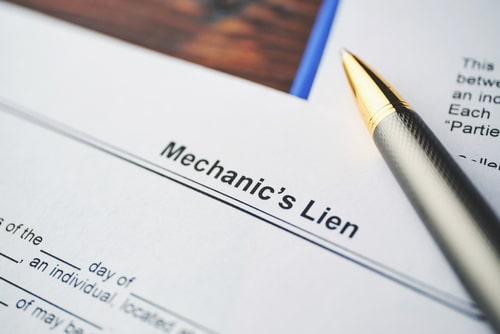 Commercial and residential real estate matters can be complicated since they often involve a lot of paperwork and legal terminology. However, it is important to understand all of the terms to avoid losing time or money. One such real estate issue many people may not be familiar with is a mechanic’s lien, which is a legal document that is filed against a house or other similar type of property. Mechanic’s liens are a means by which subcontractors and suppliers can seek payment for upgrades or enhancements that were performed on a property if they are not getting paid per the terms of their contracts.
Making Home Improvements
Homeowners can face a mechanic’s lien even if they do not miss repair or home improvement payments. For instance, if you have your kitchen remodeled and the contractor does not pay the material supplier, that individual or company can put a lien against your house as a way of recovering the money they are owed. You are then responsible for paying any subcontractors, suppliers, or workers for their labor (time) and materials.
What Are the Different Types of Illinois Commercial Lease Agreements?
 A commercial lease agreement is a written contract used to rent an office, retail, or industrial space. This legally binding document outlines the terms and conditions associated with renting the space. These types of leases are generally more involved than a residential lease because commercial properties cost more to maintain. The contract is typically between a party who owns a commercial property (landlord) and a tenant who rents the property or building space in order to operate a business, usually in the retail, office, or industrial fields. Per Illinois real estate law, there are certain issues that must be addressed in a commercial lease agreement in order for it to be valid.
Finding the Right Fit for Your Business
Commercial leases are important since they provide income for the property owner or landlord and also provides the business owner with a safe and secure place in which to do business. In addition, these agreements establish rules for how the business can be conducted, as well as the rights and responsibilities of each party. Specific details about what kind of business will be conducted should be clearly stated so as to avoid any illegal activity. Standard residential leases usually last one or two years, while a commercial lease can be 10 years or more, especially if the business is thriving.
Tips for Going Through the Probate Process in Illinois
 Estate planning includes several different legal documents that outline a person’s future wishes through the creation of a will or a trust. Making decisions ahead of time can alleviate the uncertainty and potential disputes after someone passes away. Probate is the judicial process in which an individual’s will is proven in a court of law and accepted as a valid public document that is the true last testament of the deceased. In addition, it is also the process by which the estate is settled according to the laws in the state of residence of the deceased person at his or her time of death if he or she does not have a will (intestate).
Understanding the Executor’s Role
An Executor is named in a Last Will and Testament to oversee the probate of his or her estate. In many cases, this individual is named in the will, but any competent adult can volunteer to be the personal representative (PR) of the estate. The duties and responsibilities of the executor should be taken seriously. Here are a few tips for successfully completing them:







Contact Our Firm
 The use of the Internet or this form for communication with the firm or any individual member of the firm does not establish an attorney-client relationship. Confidential or time-sensitive information should not be sent through this form.
I have read and understand the Disclaimer and Privacy Policy.