630-665-2500
128D S. County Farm Road, Wheaton, IL 60187

Recent Blog Posts
How Do Contingencies Affect Residential Real Estate Transactions?
 Buying or selling a home is a complex financial transaction. There are a number of issues that can affect a sale, and the parties will need to make sure their interests will be protected as they proceed with the home closing process. The contingencies that will be included in a residential real estate purchase contract can play a significant role in a home sale, and it is important for buyers and sellers to understand the types of terms that may be included and how these issues will affect them.
Common Contingencies in Purchase Agreements
After a buyer makes an offer to purchase a home, and this offer is accepted by the seller, a purchase agreement will be created that will outline the details of the transaction, including the closing date and the requirements that each party will need to meet. A contract will include multiple types of contingencies, which are provisions that state that certain requirements will need to be met in order for the transaction to proceed. These terms may allow either party to terminate the transaction based on certain factors, including situations that would place them in a difficult financial position.
What Are the Benefits of a Durable Power of Attorney?
 For many people, the process of creating an estate plan will involve decisions about how a person’s assets will be passed to their heirs after their death. However, estate planning may also address a person’s needs throughout the remainder of their life, including ensuring that they will receive the proper medical and personal care and that their finances will be managed correctly. One way of doing so is through durable powers of attorney. By understanding how these agreements can be used and the benefits they provide, a family can make sure a person’s wishes will be followed, no matter what happens.
Reasons to Create Durable Powers of Attorney for Healthcare and Finances
A power of attorney is an agreement in which a person (known as the “principal”) will give someone else (known as their “agent”) the authority to make decisions for them. A power of attorney for healthcare will address issues related to the medical care a person receives and other personal needs, while a power of attorney for finances or property will address issues related to a person’s income, assets, financial resources, and expenses. Powers of attorney are considered to be “durable” if they contain provisions that state that the agent’s authority will remain in effect even if the principal becomes incapacitated. That is, if a person becomes unconscious due to an illness or suffers from dementia or other mental health issues that affect their ability to make their wishes known, their agent will continue to have the authority to make decisions on their behalf.
Do I Need a Real Estate Lawyer to Buy or Sell a Home in Illinois?
 Buying or selling your home is a massive undertaking – financially, emotionally, and legally. The consequences of residential real estate transactions can affect your life for years or even decades after the transaction. Furthermore, the complexities associated with buying or selling a home can make anyone feel overwhelmed. For these reasons, many buyers and sellers seek professional legal guidance from a real estate attorney.
Benefits of Working With a Real Estate Lawyer
State laws regarding residential real estate vary. In Illinois, you are not required to hire a real estate lawyer. However, there are many advantages to working with an attorney when buying or selling a home, including:
- A deeper understanding of the terms of the sale or purchase – Anyone who has bought or sold a home can tell you that real estate documents are complicated and difficult to read. Your lawyer will interpret any “legalese” and explain the terms of the contract in plain language. This ensures that you know exactly what you are agreeing to.
Is a Charitable Trust Right for You?
 Estate planning allows you to decide how your property is distributed upon your death. Whether you want to leave college money to your grandchild or pass along a treasured family heirloom, your estate plan is the vehicle through which you make those wishes a reality. However, estate plans can involve much more than leaving assets to loved ones. A strong estate plan enables you to leave a legacy while simultaneously supporting the causes you care about. Read on to learn about incorporating a charitable trust in your estate plan.
How a Charitable Trust May Benefit You
Charitable trusts are irrevocable trusts that allow an individual to leave money and property to 501(c)(3) organizations. You can bequeath money, stocks, real estate, and other types of property through a charitable trust. The beneficiary of a charitable trust may be a church or other religious organization, hospital, and school, or other not-for-profit organization.
What Are the Benefits of a Special Needs Trust?
 There are many cases where a person may wish to help provide for the needs of loved ones who have special needs. Since people with physical disabilities, mental impairments, or other conditions may be unable to work and earn an income, they may struggle to provide for themselves. To ensure that a person’s ongoing needs will be met, family members may wish to step in and provide financial assistance. However, they may not realize that giving money to a person, buying items for them to use, or otherwise providing them with financial support may disqualify them from receiving government aid. To preserve a person’s right to receive public benefits, family members may create a special needs trust. Setting up this type of trust can be an important part of the estate planning process.
Why Should I Use a Special Needs Trust?
People who suffer from disabilities that affect their ability to maintain gainful employment may qualify for multiple types of benefits. However, to receive these types of benefits, they will usually need to show that they have limited financial resources. For example, to qualify for Supplemental Security Income (SSI) through Social Security, a person’s financial resources must be under $2,000. Because of this, a family member who gifts a significant amount of money or property to a person with special needs may cause the person to be ineligible for SSI or other benefits.
How Can a Mechanic’s Lien Affect a Residential Real Estate Transaction?
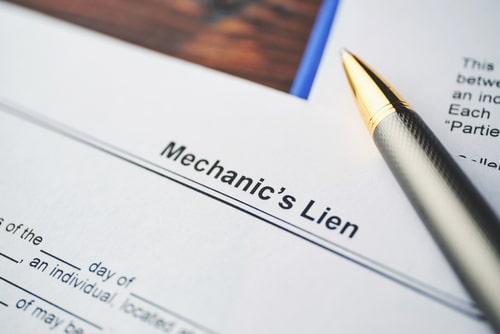 There are many different legal and financial issues that may play a role in a residential real estate transaction. Before a home can be sold, any encumbrances against the property must be cleared. In many cases, these encumbrances take the form of liens or debts that the current property owner owes to another party. Mechanic’s liens are one type of encumbrance that many people may not be aware of, and by understanding these types of liens, property owners can be sure they are prepared to address them properly and avoid any issues that may affect their ability to sell their home.
What Is a Mechanic’s Lien?
When work is performed on a home or property, a contractor has the right to seek repayment for this work. If a homeowner or property owner does not fully pay for work, the contractor may place a mechanic’s lien on the property to recover what is owed. Subcontractors or suppliers may also use mechanic’s liens to recover money that was not paid to them by a general contractor, meaning that in some cases, homeowners may be responsible for paying these amounts, even if they paid their contractor in full.
What is Required of an Estate Executor in DuPage County?
 Many family members are burdened with the task of organizing and managing the estates of deceased loved ones. Creating a will ahead of time and communicating with those who will be administering the estate helps to prepare loved ones for their responsibilities. An important role of fulfilling an estate is the role of executor. Appointed executors should have a thorough understanding of what is expected of them and what challenges they may face.
Appointing an Executor to an Estate
When a person dies, an executor is appointed to administer and direct the deceased’s last will and testament. Primarily, the executor is responsible for fulfilling the wishes of the deceased and managing necessary affairs. The will’s creator or the court will appoint an executor.
In Illinois, a court-supervised procedure, referred to as probate, may be required in the event of a death and typically is initiated by the executor. Through probate, numerous decisions are made on the behalf of the deceased, including decisions about inheritances and taxes.
What to Know About Illinois Foreclosures
ment. Once the specified grace period has passed, however, the homeowner may be subjected to a late fee. This late fee can then be accrued each month the loan goes unpaid. Lenders may also perform property inspections to determine if the home is still occupied and properly maintained.
What are a Homeowner’s Contractual Rights During Foreclosure?
Due to the documents signed when buying a residential property such as a promissory note and mortgage, rights and protections are also granted to the homeowner.
An Illinois homeowner facing foreclosure will likely have the right to receive a preforeclosure notice. This notice is referred to as a “breach letter”. The letter notifies the homeowner that their loan has defaulted and allows the homeowner time to correct this before a lender can move forward with the foreclosure.
Other rights that homeowners are typically guaranteed include:
-
The right to apply for loss mitigation
How Can a Living Will Help Plan for Future Medical Decisions?
 If there comes a time when you are unable to speak or make decisions for yourself, you will want directives in place that included pre-established decisions. A living will is a document that establishes a person’s medical care preferences should they be unable to communicate their desires. Living wills are one of many estate planning tools that an adult of any age can start preparing. With the guidance of a well-equipped attorney, living wills can be adequately formed and adjusted.
Purpose of a Living Will
A living will allows a person to still obtain the preferred medical treatment and prevents unnecessary hardship on an individual and their loved ones. Living wills allow a person to have their preferences met in a time they can no longer speak for themselves and also relieves their loved ones of the decision-making burden.
The durable power of attorney is a major component of an effective living will. This allows an individual to delegate another person to oversee that their wishes are met in terms of healthcare. The extent of authority that this agent is granted is at the discretion of the living will’s creator. If comprehensive authority is granted, the patient advocate will likely be permitted to consent or refuse consent to any treatment that affects physical or mental health, hire or fire any medical personnel, make choices regarding the best medical facilities for the patient, and more.
What Are the Legal Requirements for a Last Will and Testament?
 Writing your own will can seem like an intimidating process. Before starting, it is important to be fully aware of the purpose of the will, the will’s consequences, and the legal requirements that must be met. Take some time to study the needed steps required to fulfill your wishes after death and make the best decisions for yourself.
What Is the Purpose of a Will?
After death, a will allows you to control the distribution of your assets. Included in the will is the nomination of a trusted executor who will carry this distribution task out for you. Among other duties, this executor will also appoint a guardian to any minor children you may have. In essence, wills are designed to protect your family and your property. The Illinois state “intestacy” laws will come into effect if you do not create a will before you pass. Intestacy laws distribute your assets to your closest relatives.







Contact Our Firm
 The use of the Internet or this form for communication with the firm or any individual member of the firm does not establish an attorney-client relationship. Confidential or time-sensitive information should not be sent through this form.
I have read and understand the Disclaimer and Privacy Policy.